“shell beans” search results (2000)

Coffee bean production process and common coffee processing methods
Process Description: 1. Remove the shell and remove the coffee shell. 2, choose beans, remove moldy coffee beans. 3, cleaning, washing coffee with water to wash away surface dirt. 4. Bake, bake at 90~100℃ for half an hour. 5. Grinding: grinding and crushing the processed coffee with a roller grinder. 6, pulping (add water), add coffee about 3 times the 95℃ hot water
2014-07-08 Coffee knowledge Coffee bean production Coffee encyclopedia
The stage in which it is easiest to tell the real Kopi Luwak from the fake one.
Kopi Luwak is expensive and rare, so it is a coffee treasure in the minds of many people.
2014-07-12 Coffee knowledge distinguish between real coffee and fake coffee Kopi Luwak
Coffee producing area in Indonesia
First, the origin and famous products of coffee. The main coffee beverage in the world is made from the extract of coffee beans. Coffee beans are a pair of beans wrapped in a hard shell inside the coffee fruit. There are two ways to take out the coffee beans. one is to spread the coffee fruit and expose it to the sun for about 3 weeks. after the coffee fruit is quite dry, peel off the pulp and shell by mechanical force, and take out the coffee.
2016-05-25 Indonesia coffee origin
Coffee common sense what is the processing of coffee beans
There are two ways to prepare coffee beans for the baking process. The method chosen has a significant impact on the final value and quality of coffee. The cheapest method of processing is called drying, which is used for lower-grade coffee beans, while higher-quality coffee beans are processed by wet treatment. Drying is used for unwashed coffee beans. Wet treatment used for thorough cleaning or semi-cleaning.
2015-01-19 Coffee common sense coffee beans processing process how roasting preparation coffee
Fine Coffee Science explains the processing of coffee beans in detail
There are two ways to prepare coffee beans for the baking process. The method chosen has a significant impact on the final value and quality of coffee. The cheapest method of processing is called drying, which is used for lower-grade coffee beans, while higher-quality coffee beans are processed by wet treatment. Drying is used for unwashed coffee beans. Wet treatment used for thorough cleaning or semi-cleaning.
2014-10-29 Coffee knowledge boutique coffee science coffee bean processing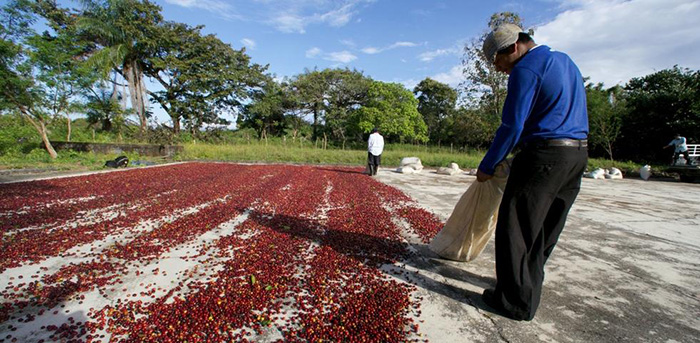
Processing of coffee beans which method is suitable for different coffee beans
There are two ways to prepare coffee beans for the baking process. The method chosen has a significant impact on the final value and quality of coffee. The cheapest method of processing is called drying, which is used for lower-grade coffee beans, while higher-quality coffee beans are processed by wet treatment. Drying is used for unwashed coffee beans. Wet treatment used for thorough cleaning or semi-cleaning.
2015-11-24 Coffee beans processed different co-used planted treated methods
Coffee producing area and blending principle of famous Coffee
1. The main coffee beverage in the world is made from the extract of coffee beans. Coffee beans are a pair of beans wrapped in a hard shell inside the coffee fruit. There are two ways to take out coffee beans. One is to spread out the coffee fruit and expose it to the sun for about 3 weeks. After the coffee fruit is quite dry, peel off the pulp and shell with mechanical force, and take out the coffee beans. The other method is to use
2016-06-12 Coffee origin famous products
Classification of defective coffee beans
There are two main categories: one is formed by soaking coffee in the fermentation tank for too long during washing, and is contaminated by the water washing coffee beans; the other is stacked in the warehouse, thus attaching bacteria and the surface of the beans becomes mottled. Fermented beans are difficult to distinguish from the appearance, so special attention should be paid to hand selection. Fermented beans produce a rancid smell if mixed with coffee. 5. Dead beans die
2016-06-06 coffee beans blemishes classification major large category one kind is in washing processing coffee
Distinguish coffee defective beans
Moldy beans: because of incomplete drying, or damp in the process of transportation and storage, cyan and white molds grow, which sometimes make the beans stick together. If these moldy beans are not removed, they will produce moldy smell. Dead beans: beans with abnormal results. The color is not easy to change because of baking, so it is easy to distinguish. The flavor is thin, as harmful as silver skin, and will become a peculiar smell.
2014-09-02 Coffee knowledge coffee defective beans kinds of defective beans
Introduce several kinds of coffee defective beans
Moldy beans: because of incomplete drying, or damp in the process of transportation and storage, cyan and white molds grow, which sometimes make the beans stick together. If these moldy beans are not removed, they will produce moldy smell. Dead beans: beans with abnormal results. The color is not easy to change because of baking, so it is easy to distinguish. The flavor is thin, as harmful as silver skin, and will become different.
2014-06-16 Coffee knowledge defective beans Coffee Encyclopedia
What are defective beans? how to calculate defective beans?
High-quality coffee beans are refined by water treatment. The coffee beans with less impurities can be obtained by the water washing method, but if the water quality and time are not properly controlled during the fermentation process, the coffee beans will easily be infected with the sour taste of excessive fermentation. and dry beans also need to pay attention to timely re-inspection to prevent coffee beans from being contaminated by wet ground and sundries. Processed
2016-06-03 Flaws yes what how?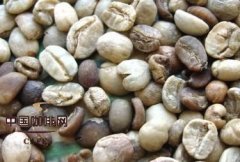
Basic knowledge of boutique coffee defective beans
Moldy beans: because of incomplete drying, or damp in the process of transportation and storage, cyan and white molds grow, which sometimes make the beans stick together. If these moldy beans are not removed, they will produce moldy smell. Dead beans: beans with abnormal results. The color is not easy to change because of baking, so it is easy to distinguish. The flavor is thin, as harmful as silver skin, and will become a peculiar smell.
2015-01-28 Boutique coffee basics defects mildew because dry incomplete is in
The basic knowledge of Coffee defective beans
Moldy beans: because of incomplete drying, or damp in the process of transportation and storage, cyan and white molds grow, which sometimes make the beans stick together. If these moldy beans are not removed, they will produce moldy smell. Dead beans: beans with abnormal results. The color is not easy to change because of baking, so it is easy to distinguish. The flavor is thin, as harmful as silver skin, and will become a peculiar smell.
2015-05-11 Coffee defects coffee beans basics common sense mildew because dry incomplete is
Several kinds of coffee defective beans are introduced.
Moldy beans: because of incomplete drying, or damp in the process of transportation and storage, cyan and white molds grow, which sometimes make the beans stick together. If these moldy beans are not removed, they will produce moldy smell. Dead beans: beans with abnormal results. The color is not easy to change because of baking, so it is easy to distinguish. The flavor is thin, as harmful as silver skin, and will become a peculiar smell.
2014-08-05 Introduction several coffee defects mildew because dry incomplete is in transport
How to choose the kind of coffee defective beans
Because the drying is not complete, or in the transportation, storage process is too wet, and the growth of cyan, white mold, sometimes make beans stick together, if you do not remove these moldy beans, it will produce moldy smell. 4. Fermented beans are mainly divided into two categories: one is that the coffee is soaked in the fermentation tank for too long when the coffee is washed, and it is formed by the water pollution of the washed coffee beans; the other is the heap.
2016-05-23 Defects how coffee type because dry not completely is in transportation storage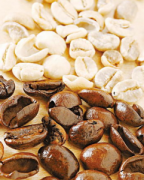
Introduction of defective beans in coffee roasting
Moldy beans: because of incomplete drying, or damp in the process of transportation and storage, cyan and white molds grow, which sometimes make the beans stick together. If these moldy beans are not removed, they will produce moldy smell. Dead beans: beans with abnormal results. The color is not easy to change because of baking, so it is easy to distinguish. The flavor is thin, as harmful as silver skin, and will become a peculiar smell.
2014-07-02 Coffee knowledge defective beans Coffee Encyclopedia
Coffee beans common sense coffee roasting defective beans introduction
Mildewed beans: because the drying is not complete, or in the transportation, storage process damp, and grow cyan, white mold, sometimes make beans stick together, if not remove these moldy beans, will produce mildew smell. Dead beans: beans that bear abnormal fruit. The color is not easily changed by baking, so it is easy to distinguish. The flavor is thin and harmful as silver skin, which will become peculiar smell.
2015-01-09 coffee beans common sense coffee roast blemish presentation moldy because dry endless
Selection of coffee beans introduction to defective beans in coffee roasting
Moldy beans: because of incomplete drying, or damp in the process of transportation and storage, cyan and white molds grow, which sometimes make the beans stick together. If these moldy beans are not removed, they will produce moldy smell. Dead beans: beans with abnormal results. The color is not easy to change because of baking, so it is easy to distinguish. The flavor is thin, as harmful as silver skin, and will become a peculiar smell.
2014-09-26 Coffee knowledge coffee bean selection defective bean selection
What is the purpose and function of coffee cup testing
I have heard the word cup test all the time, and my simple understanding is to identify the quality of coffee beans by tasting different coffees or different roasting degrees of the same kind of coffee. Suddenly, on a whim, I searched the Internet for the specific explanation of the cup test, found a more detailed article, and sent it up to share with you. -- the following articles are written by
2016-04-21 What coffee cup cup test purpose function China coffee always hear
Basic knowledge of boutique coffee introduces several kinds of coffee defective beans
Moldy beans: because of incomplete drying, or damp in the process of transportation and storage, cyan and white molds grow, which sometimes make the beans stick together. If these moldy beans are not removed, they will produce moldy smell. Dead beans: beans with abnormal results. The color is not easy to change because of baking, so it is easy to distinguish. The flavor is thin, as harmful as silver skin, and will become a peculiar smell.
2014-12-16 Boutique coffee basics common sense introduction several defects mildew because dry